25 Radio Game Ideas to Play On-Air (With Examples)
25 radio game ideas your listeners will love, organized by format: cash, quiz, story, music, and trending. Design principles and launch playbook included.
Radio games are the easiest way to turn passive listeners into people who actually call in, share your station, and tune in tomorrow. They cost almost nothing to run and they reliably lift engagement when you do them well.
After hosting 1,000+ stations on CloudRadio, we've watched broadcasters use games to wake up sleepy morning shows, fill weekday afternoons, and grow loyal audiences. The pattern is clear: the stations that play games consistently keep listeners longer.
This guide gives you 25 game formats you can copy, the five design principles that make a game stick, and a short playbook for launching one on your own station this week.
What you'll learn
- Why radio games still work in 2026
- 5 traits of a great radio game
- Call-in cash games (7 ideas)
- Quiz and trivia games (6 ideas)
- Story and confession games (4 ideas)
- Music and sound games (4 ideas)
- Trending newer formats (4 ideas)
- How to launch a radio game on your station
- How CloudRadio helps you run radio games
- Radio game FAQs
Why radio games still work in 2026 {:#why-radio-games-still-work-in-2026}
Streaming platforms killed a lot of radio formats. Games are not one of them. The format works because it solves the one thing on-demand audio can't: live, shared participation.
When a listener hears someone like them call in for a prize, they imagine themselves in the chair. They stick around for the next break. They tell a friend. That dynamic is why morning and drive-time shows still center games in their schedule, even as the rest of the industry shifts to playlists.
Games also give your hosts something concrete to talk about. If you're building a morning show or trying to fill space on a solo show, a recurring game is a built-in segment you can run every day without writing fresh material.
5 traits of a great radio game {:#5-traits-of-a-great-radio-game}
Before copying any of the 21 ideas below, understand what separates a great radio game from one that flops after week two. We've seen all of these mistakes on stations we host.
One rule, explained in 10 seconds. If your host needs more than two sentences to explain how to play, the game is too complicated. Listeners tuning in mid-segment should understand it immediately. The best games (Money Wheel, Cash Register) take three seconds to explain.
A prize people actually want. $25 to a small station can beat $1,000 from a national, because relevance wins. A pair of tickets to a local venue, a meal at the diner everyone knows, a weekend at a regional B&B. These convert better than a generic gift card because the prize feels like your audience.
A reason to keep playing if no one wins. The jackpot needs to grow, the question gets easier, or the next caller starts with a clue. If the game resets cleanly every day, listeners stop caring after one failed attempt.
A clear time slot. Run it at the same time every day. People plan their commute around games they like. A 3pm cash call works because regulars know to be near a phone at 2:55.
Social proof on your website. Publish the wrong guesses, the running jackpot, the previous winner's photo. New listeners who Google your station should see proof that real people win real prizes. This is also where your radio station website earns its keep.
Once you have those five locked, almost any format below will work. Here are 25 we've seen succeed.
Call-in cash games {:#call-in-cash-games}
These are the bread-and-butter format. A growing jackpot, a phone call, and a simple gimmick. They work in any timezone and any genre.
1. The Cash Register
The host announces a starting prize during the morning show. Listeners write it down. After 3pm, the host calls a randomly selected listener. They must answer within five rings and state the current jackpot amount.
If they fail either step, the jackpot grows and rolls to the next day. A similar Cash Register format runs across Bauer's Hits Radio network in the UK, and dozens of regional stations have copied the structure.
The trick is making the jackpot announcement feel important. Repeat the current amount across every break, not just once per show.
2. Money Wheel
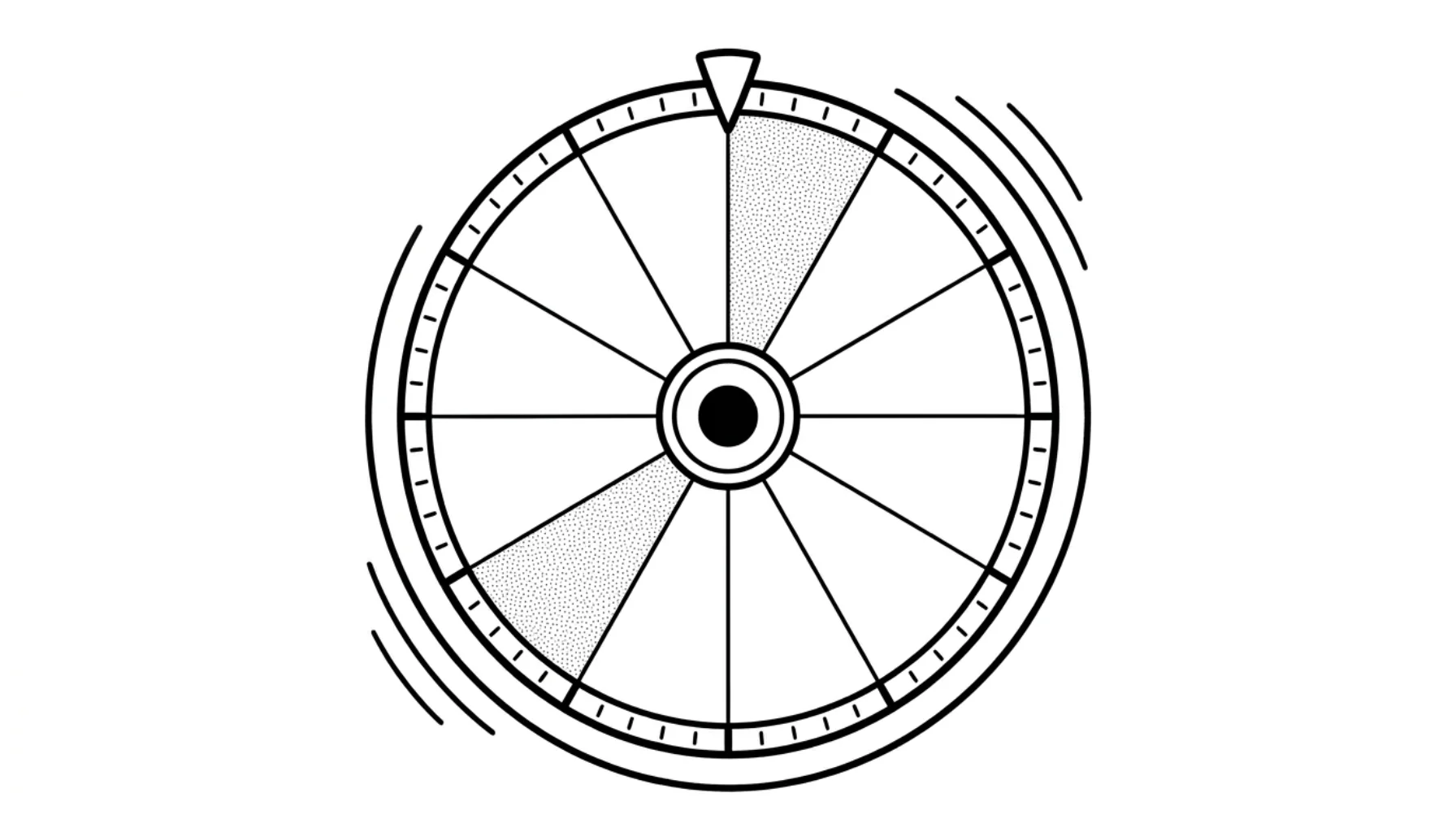
The host spins a wheel each round to determine the prize. Range it from $1 to $1,000 so the jackpot is unpredictable. To win, the caller has to answer a simple recall question from earlier in the day.
This rewards listeners who actually listen. It also gives your hosts a reason to recap the morning show in the afternoon, which doubles the value of every segment.
3. Mystery Phone Number
Callers guess one digit at a time of a hidden phone number. Each correct digit earns a small prize. If a caller eventually guesses all 10 digits in order, the phone "rings" and they win the jackpot.
This game runs forever. Publish the confirmed digits on your site so casual listeners can catch up.
4. Radio Roulette
Once a week, you spin a casino roulette wheel live. Listeners who qualified earlier in the week each hold an assigned number. If the wheel hits their number, they win.
KOLA FM partnered with a local casino for the live spin. If you can't get a casino, a webcam pointed at any spinnable wheel works fine.
5. Matching 9s (Lucky Bill)
Callers must have a dollar bill with three 9s in the serial number. The host picks the 19th caller, verifies the bill in person, and pays out.
Old-school but effective. Works because almost everyone has a few bills in their wallet and the rules feel mythic. Swap in your own digit and prize amount.
6. Secret Sound Jackpot
The host plays a short sound clip at random intervals through the day. Listeners guess what makes the sound (a stapler, a popcorn machine, a car door). The prize grows on every wrong guess.
Some US stations have run jackpots into five figures before someone won. Publish wrong guesses on your site so the game has receipts.
7. The Time Game
Start a hidden timer on air and let a caller hit a button (a tone, a buzzer, or a verbal "stop") trying to land it at exactly five seconds. Anything within a tight window (say, 4.95 to 5.05) wins. Miss it, the prize rolls over to the next caller and grows. Announce the current jackpot at the top of every break so the stakes feel real.
This one is pure reflexes, so the audience screams at their radios. It works best in drive-time because the tension fits a commute, and the jackpot roll-over gives you a thread to pull across multiple breaks. Run it daily for a week and the leaderboard becomes its own story.
Quiz and trivia games {:#quiz-and-trivia-games}
Trivia formats work because they let listeners play along at home, even if they don't call in. That parallel play is what builds the habit.
8. The Impossible Question
The host reads a survey statistic with the answer blanked out: "20% of office workers have one of these in their desk." Callers guess. The answer is something absurd ("a toothbrush") that feels obvious in hindsight.
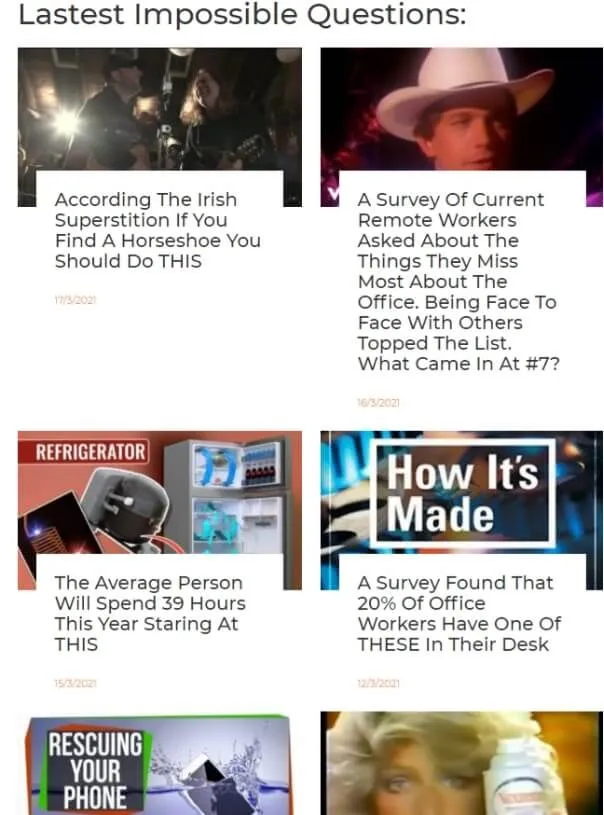
This format runs forever because survey results are bottomless. AskReddit threads and YouGov polls are gold mines for source material.
9. The World's Easiest Quiz
Ten ridiculously easy questions, 30 seconds total. Callers crack under the time pressure and miss "what's the opposite of left?" on live air.
The comedy is the point. Every failed attempt is a clip you can repost across social.
10. PopMaster (Music Trivia)
A long-running music quiz format originally launched on BBC Radio 2 and now hosted by Ken Bruce on Greatest Hits Radio. The structure is what makes it sticky: a downloadable scorecard listeners can play along with at home.
You can adapt this to any genre. Country, hip-hop, classic rock. The scorecard is the secret weapon.
11. Missing Word
The host plays a short clip of a celebrity speaking with one word bleeped out. Callers guess the word. Several Australian stations have run this format with large cash prizes attached.
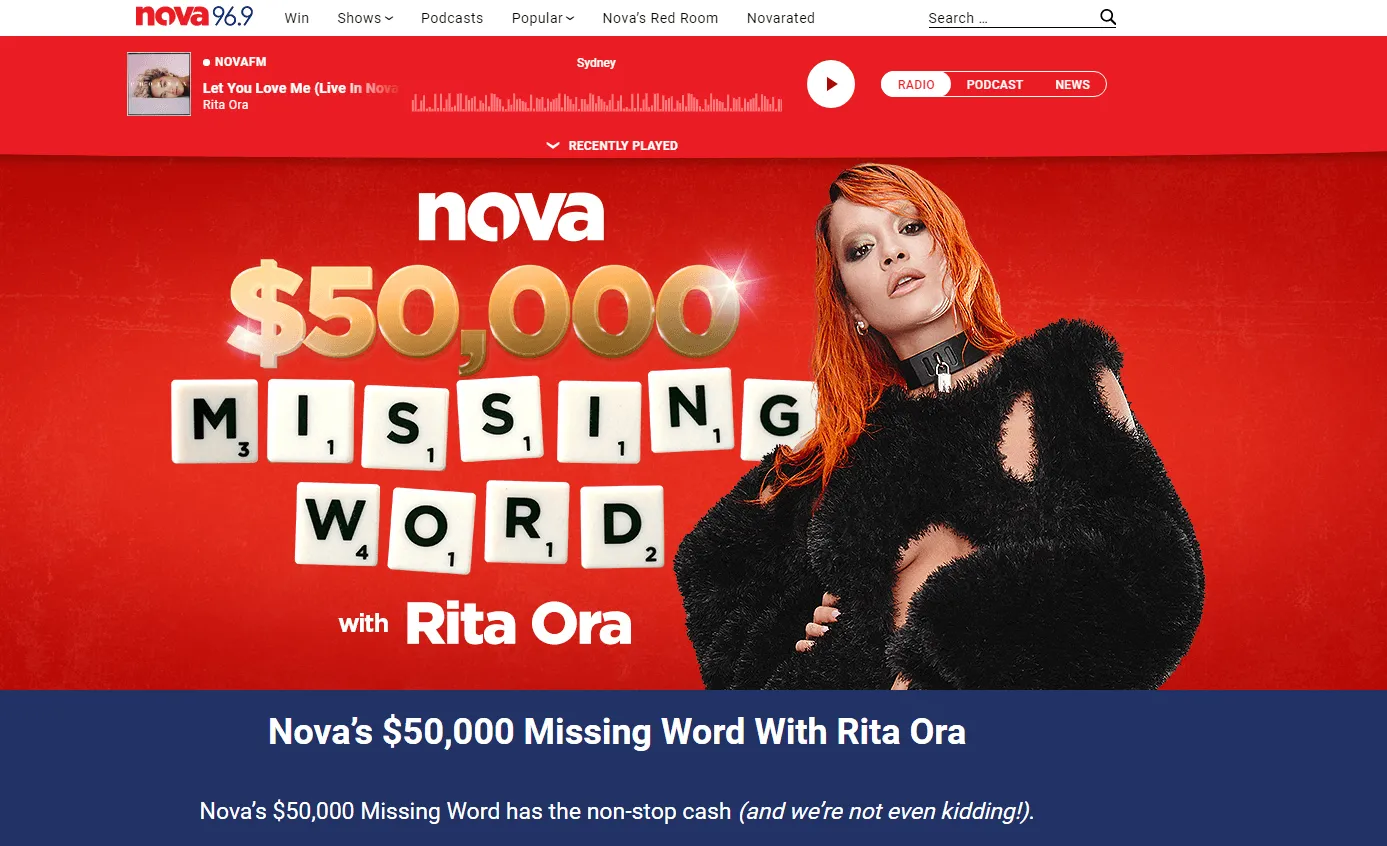
You don't need a celebrity. Use clips of local politicians, sports announcers, or your own previous shows.
12. You Gotta Get It Wrong
Reverse trivia. Callers must give as many wrong answers as possible in 60 seconds. If they accidentally say the right answer, the buzzer goes off.
Sounds easy. It is not. Brains default to the truth under pressure, which is the whole joke.
13. Name X Things in X Seconds
"Name 10 things that start with the letter L. You have 30 seconds." That's the whole game. Add a countdown timer for audio drama.
The simplest game on this list. Bulletproof when you need to fill three minutes.
Story and confession games {:#story-and-confession-games}
These trade cash for vulnerability. They cost less, run longer, and produce clips your hosts can replay for weeks.
14. Confess Your Biggest Secret
Listeners submit confessions online. The best ones are read on air, and the confessor wins a prize for showing up to defend their story live.
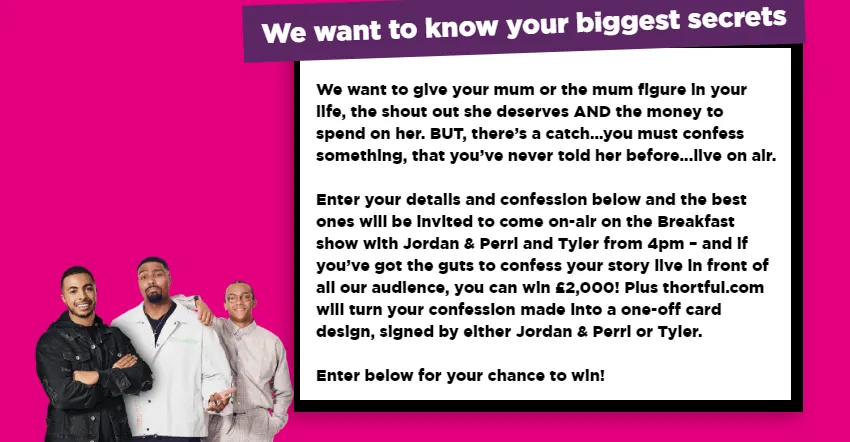
A Dublin breakfast show ran this around Women's Day with a €2,000 prize. The submissions did the marketing for them. Listeners shared the wildest ones across social, which pulled new ears to the show.
15. Muck That Mum Made
Listeners share the most bizarre meals their mother actually cooked. The wildest story wins. Plenty of breakfast shows have run a version of this, because nostalgia-plus-competition is hard to beat.
Swap "mum" for any local relationship (dad, gran, uncle Greg). The format is the same.
16. The Whisper Challenge
A studio guest puts on noise-cancelling headphones. The host whispers a word and the guest tries to lip-read or guess it. Hilarity is the entire point.
This one is video gold. Record the studio cam, post the highlights to TikTok, and the segment lives twice.
17. Magnificent Seven
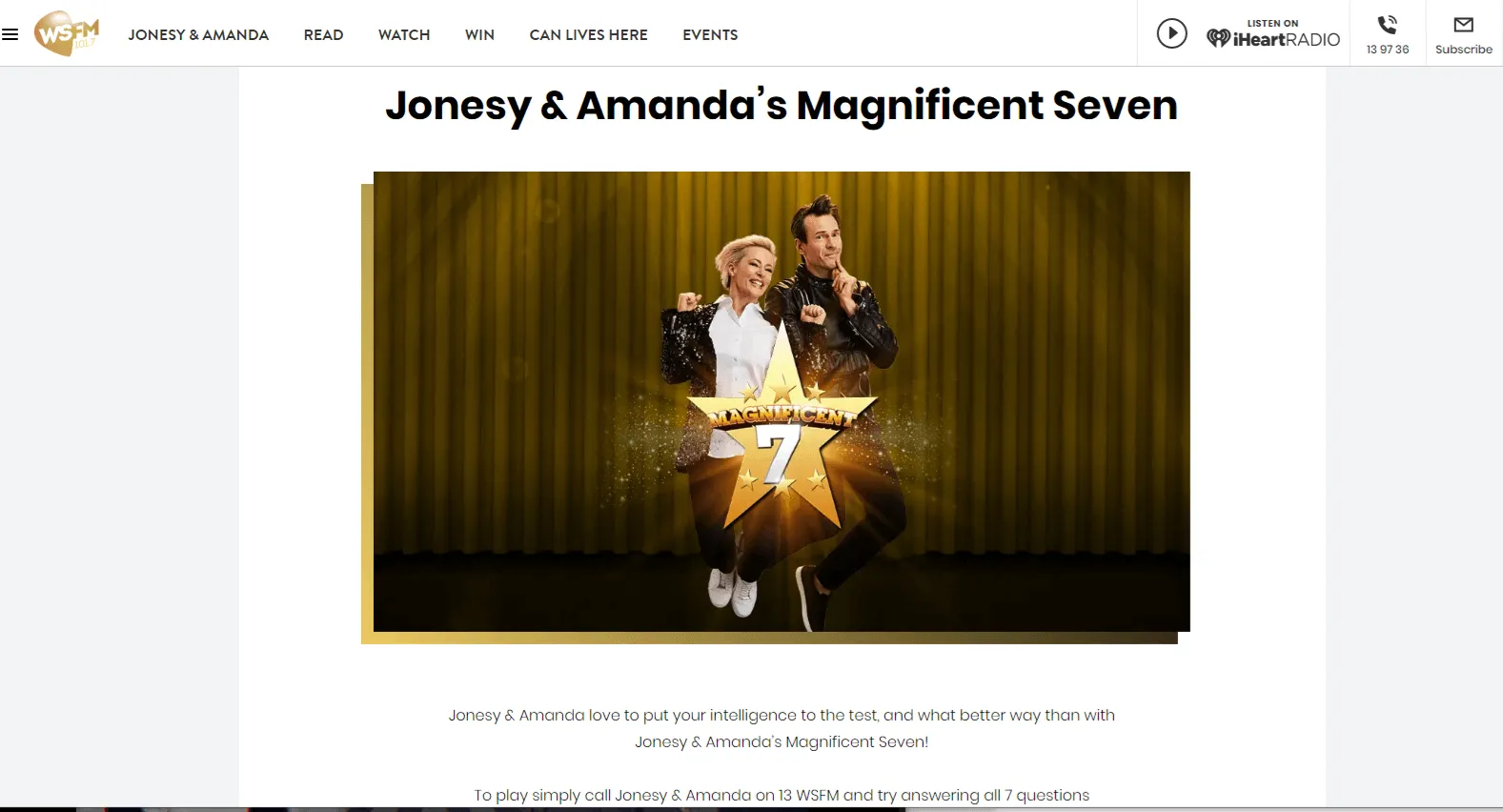
Seven escalating questions. Get all seven right and win. Miss one, and the next caller starts from question one. The prize grows each time someone fails.
The structure rewards patience: regular callers learn the patterns and eventually clear the board.
Music and sound games {:#music-and-sound-games}
If your station is music-led, these formats fit naturally between songs. Just keep an eye on the licensing implications of using clips and snippets as game material.
18. Complete the Lyrics
Play any song. Cut it mid-sentence. The caller finishes the line.
That's it. Works on every genre. The TV show Beat Shazam is basically this format scaled up.
19. Hit Bit (Name the Song)
Play a one-second clip of a classic hit. Callers guess the song. Publish the sample on your site so listeners can replay it any time.
Make the clip shorter as the jackpot grows. By week three you're playing 200ms of audio and the studio is in chaos.
20. Celebrity Line-up
Stitch together a montage of celebrity voices each saying one short phrase. Listeners must name all the celebs in order.
Reveal how many they got right each round without saying which ones. The anticipation is what keeps them tuning in.
21. Hyperlocal Photo Contest
This one's not on-air. It runs across your station's social channels and ends on-air. Listeners take a selfie at a partner business, submit it through your site, and you draw a winner live.
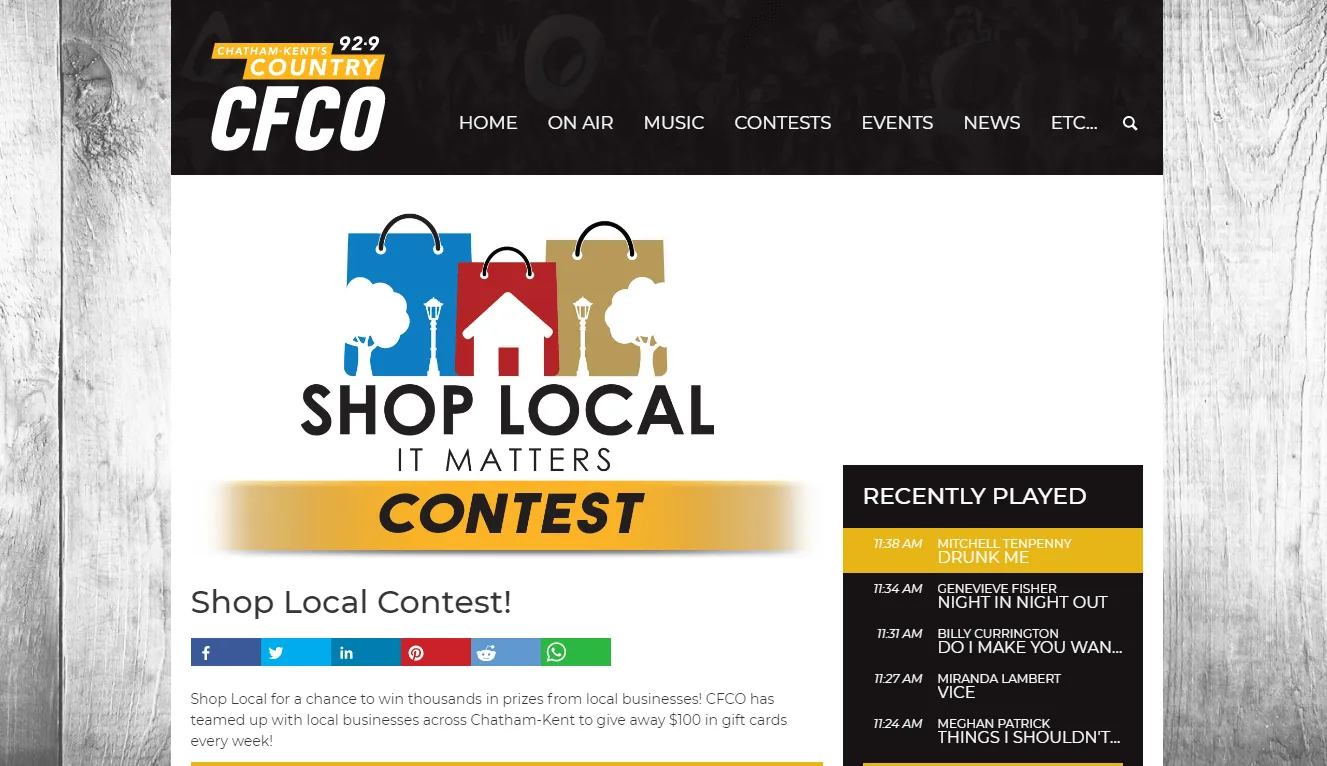
This format works for any local partner with a recognisable storefront. Give listeners a QR code on the door, a hashtag, or a story-tag prompt, and the entries promote the business for you. Post the best submissions to your station socials during the week, then draw the winner live on Friday so the on-air moment lands with a built-in audience.
Trending newer formats {:#trending-newer-formats}
The 21 above are the classics. These four are newer formats we've seen take off since 2023, mostly because they're built for the social-clip era.
22. Minute of Fame
Callers get 60 seconds to show off a single skill: sing a tune, do an impression, tell a clean joke, beatbox, recite a poem. Best performance of the week wins a prize.
The genius is that every entry is a ready-made social clip. Stations using this format report it produces more shareable content than any other game on this list.
23. Reverse the Hits
Play a recognisable song clip backwards. Callers guess the song. With pitch-correction software you can also play it sped up, slowed down, or stripped of vocals. Same mechanic, fresh twist on Complete the Lyrics.
This works because most listeners think they know every song until they hear it sideways.
24. Mystery Guest Teaser
Across three to five days, the host drops one cryptic clue per show about a surprise studio guest. Listeners call in to guess who it is. The first correct guess on the reveal day wins tickets, a meet-and-greet, or a signed item.
Multi-day arcs keep people coming back. The game also doubles as promotion for the actual interview.
25. Neighborhood Throwdown
Two callers from competing neighborhoods, suburbs, or towns face off in rapid trivia. Loyalty plus friendly rivalry equals listener investment. You can also stretch it into a multi-week tournament with a community prize.
This is the easiest format for hyperlocal stations to make their own. Pick rivalries that already exist in your area and lean into them.
How to launch a radio game on your station {:#how-to-launch-a-radio-game-on-your-station}
Picking the format is the easy part. Getting the game to actually run every day takes a small amount of planning. Here's the checklist we share with new stations on CloudRadio when they ask.
Pick the time slot first. Most call-in games belong in the morning or drive-time blocks (7–9am and 4–6pm). If you're light on live hosting, schedule the game as a recurring drop in your media library and tease it during automation. Listeners need to know exactly when to show up.
Budget the prizes weekly, not per-game. Decide on a weekly prize pot ($50, $200, $1,000) and let the host distribute it across the games. This stops a single jackpot from blowing up your monthly costs.
Get the legal basics right. In most countries, on-air games that don't require purchase to enter are classed as promotional contests, not gambling. Even so, post simple rules on your station website (eligibility, how winners are picked, how prizes are claimed). If you're charging entry, talk to a lawyer; that's the line where it becomes a sweepstake and triggers heavy regulation.
Promote the game outside the show. A great game is wasted if listeners only hear about it once. Use Facebook and your other channels to tease the next round, and post the previous winner with their prize. This is the difference between a segment and a brand.
Use automation to keep it consistent. This is where CloudRadio earns its keep. Drop a 15-second game promo into your media library, schedule it to air four times a day, and the game promotes itself even when no host is in the building. Pair it with the embeddable player on your site so new visitors land directly on the live stream.
If you're still piecing together hosting, encoder, and automation, CloudRadio handles all three in the browser. Upload your stingers and promos once, schedule them, and the rest happens automatically while you focus on the on-air game itself.
How CloudRadio helps you run radio games {:#how-cloudradio-helps-you-run-radio-games}
Three specific features matter when you're running a recurring on-air game:
Scheduled promos in the media library. Upload the game's intro stinger and a few teasers once. Schedule them to air at fixed times across the day. Listeners hear the jackpot announcement several times before the game runs, without a host touching anything.
Listener stats. Open the statistics dashboard and you can see whether the game actually moves the needle. Bigger spike at 3pm on game days than non-game days? It's working. No spike? Adjust the prize or the format.
Stream monitoring. If the game goes viral and your stream hiccups, stream monitoring tells you before listeners complain. Nothing kills a contest faster than dead air at the moment of the big reveal.
Reliable delivery. Streams are delivered over HLS (the modern standard, native to browsers and phones) with Icecast as a fallback for legacy players, so callers and casual listeners both hear the moment a winner is announced.
Radio game FAQs {:#radio-game-faqs}
How often should we run a game? Daily, at the same time, is the gold standard. If your show is twice a week, run the game every episode. Consistency beats novelty.
What's a realistic prize budget for a small station? $50 to $200 a week is plenty if the prizes are locally relevant. Partner with two or three small businesses and let them sponsor a week each. They get a mention every break, you get a free prize pool.
Do we need a phone line for callers? Not necessarily. Plenty of stations now run games through WhatsApp voice notes, Discord, or a "submit your guess" form on the station website. Calls are still the most theatrical, but they're not mandatory.
Are radio games legal? In most jurisdictions, contests with no purchase to enter are fine. Promotional contests with a cash prize are usually fine too, provided you publish basic rules. Sweepstakes (where you charge entry) hit much heavier regulation. Check your local communications authority.
How do we get listeners to know the game exists? Promote it across every channel. Tease the prize on social, run the audio promo through automation, mention the previous winner by name on air, and ask current listeners to share with a friend. Game discoverability is mostly a promotion problem, not a format problem.
What if nobody calls? Make the prize easier to win for a week. If you still get crickets, the issue is that listeners don't know the game exists. Crank up the promos before you change the format.
Related reading
- How to plan a radio promotion: the wider promotion playbook around any contest or game
- Listener engagement tactics: keeping audiences after the game ends
- Breakfast show ideas: where most call-in games live
- Opening lines for radio hosts: the first 10 seconds matter as much as the prize
- Radio contest ideas: sibling article focused on contest mechanics
- Live calls on internet radio: how to take callers when you don't have a studio phone
- Radio show ideas: segments that pair well with games
- Become a radio host: host skills that make games land
- Radio show preparation: prep that keeps a recurring game fresh
- Promote your internet radio station: channels to push the game beyond your live audience
- Radio station branding: turn a recurring game into part of your station identity
- Station slogan ideas: catchphrases your hosts can pair with the game
Ready to launch your own radio game? You need hosting, automation, and a player listeners can actually find. CloudRadio gives you all three in the browser for one flat price: 750 GB of music and promo storage, unlimited listeners, AutoDJ included.