
Domino's take, in one breath
It's wonderful to take live calls on internet radio or podcast! Listeners enjoy live conversations. What's more, it is not as complicated.
On this page 5 sections
Taking calls on your internet radio station can seem intimidating. But don’t worry: in this guide, you'll get a complete introduction to phone-in radio programs.
You'll learn about:
- What is a phone-in radio show?
- Top reasons to take calls from listeners;
- Recorded phone-ins vs. live call-ins;
- Two simple ways to host live phone calls;
- And more.
Let's get started:
Chapter 1: What is a phone-in radio show?
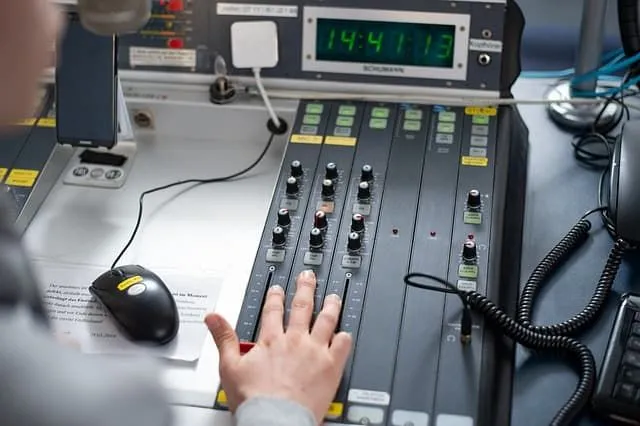
Also called call-in programs, they entail the presenter taking calls from listeners.
The caller may be participating in a call-in contest. But most of the time, callers will be weighing on issues or sharing their tales.
For instance, you may ask your listeners a question like: "What is the most embarrassing thing you have ever done with food?"
Then sit back and let callers have a field day with the topic. Need more ideas like that? See our list of talk show topics.
History of Phone-In Shows
Andrew Simon, founding producer of CBC's Cross Country Checkup, writes that many privately owned Canadian radio stations launched "open-line" programs in the early 1960s, and that Checkup, the CBC's national open line, began on October 24, 1965, with callers phoning collect to a single Montreal number (CBC).
7 Reasons to Take Live Calls on Internet Radio
Encourages participation:
Listening can be a passive activity. But when a listener calls in, they become active participants in your programming.
Spontaneous original content:
Struggling to fill up broadcast hours? Listeners are a great source of new content.
Entertaining:
Interesting conversations draw listeners and keep their attention glued.
Conduct live interviews:
Not all high-profile guests can travel thousands of miles for in-person interviews. But they are literally a phone call, WhatsApp call or Zoom call away.
Rewards listeners:
Which is the most awesome gift you would gift to your most adherent listener? Well, if they are not shy, they can call in to participate in contests or discussions.
Varied content:
Do you play music all day? Adding phone calls as part of the programming makes your radio or podcast show more interesting. You may also include vox pops.
Inexpensive:
Calls need little equipment, though a good call-in still takes preparation.
Chapter 2: Call-in Program Types
Can't wait to get started with your call-in program? Well, don't do it before you have a clear strategy in place.
For instance, do you plan to:
- create a full phone-in show;
- add call-segments during typical shows like a countdown music show?
There are different types of phone-in programs for internet radio.
Let's touch on some of them:
1. Open Line
The dictionary defines "open line" as a TV or radio program that invites listeners to participate by phone.
Basically, each show has:
- Topic of discussion: For instance: “The effect of COVID-19 and Is the local government doing enough?”
- Explainers: Before opening the phone lines to callers, the presenter dissects the topic at hand. For instance, the successes the government has had in fighting the virus. Problems and challenges are emphasized so that callers can offer suggestions.
- An expert or host weighing in: Later in the program and after taking calls, the host may invite an expert or someone more knowledgable on the topic at hand to weigh in on the issues.
You must research to execute the open line format properly. Callers will need factual information that also guides their opinions.
It helps to have a producer screening calls and obtaining basic details from callers. So, you can introduce them before putting them live.
Example:
CBC's Cross Country Checkup has run as a national open line since 1965 (CBC).
2. Ask an [Expert]
Listeners have many questions that they need answers to. So it makes a lot of sense to invite an expert to answer some of them.
For instance, you may invite a licensed real estate agent to your studio. With all the current advances in tech, they can even participate remotely.
Not all calls will be aired live on air. You can feature the most informative or entertaining callers because of the limited air-time.
Example:
After the Covid-19 outbreak, many radio shows and television programs invited doctors to answer questions to do with face masks, infection rates, etc
**3. Call-in contests **
They can really spice up an otherwise plain show. Many morning shows run call-in competitions.
Riddles are popular topics of radio call-in contests too. For more formats to play with callers, see our radio games to play on-air.
Chapter 3: Recorded Audio vs. Taking Live Calls
What is your current studio setup?
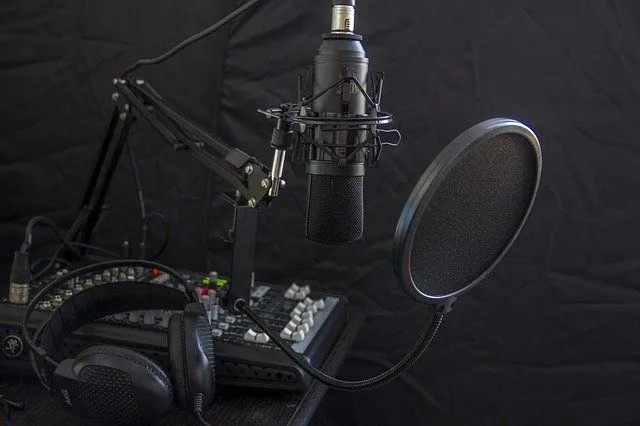
Image by D Thory
- Fully equipped: That means you have a mixing console, microphone, computer, studio room, etc.
- Remote Studio: You have a simple setup where you stream with an autodj most of the time. And you don’t want to invest more resources just to have your listeners on air.
If you're in the second category, there is an easy way to get the input you need from your listeners.
Just ask them to record their contributions using their phones. Most smartphones come with a voice recorder app.
Callers can send their audio files to you using WhatsApp or email.
With this comes the opportunity to vet calls and pick the best to be featured on-air.
Advantages of recorded audio over live calls
- Getting people to do the actual recording means that they will be more in control --so less nervousness & more openness.
- You don’t have to invest in new equipment.
- There is less time in setting up the show.
- Few things can go wrong since you’re receiving the audio.
Disadvantages of people recording themselves
- You may have less control since you’re not asking live questions to listeners.
- It lacks the live component.
Chapter 4: Different Ways of Hosting Live Calls
In this chapter, we'll go over some of the ways to take live calls on the radio. It entails calling the listener or having them phone-in and speaking directly to them on-air.
You will only need your smartphone as the basic equipment. We'll cover two simple options for this beginners guide (so we won't go into setting up a mix-minus here):
1) Speaker Phone Method
Have you ever used your phone's speaker during a call?
With this basic method, you initiate a phone call or receive one. You'll just hold up your phone with its speaker, preferably facing the mic so that it can pick up the most sound.
The advantage of this method is that you don't need extra equipment. All you need is a USB microphone plugged into your computer. Or a mic routed through the mixing console.
There is a major disadvantage, though. The audio is not very clear.
2) Phone to Mixing Console
The second method just entails connecting your mobile phone to the mixing console using the 3.5mm headphone jack.
It's quite possible that your phone may be missing the head jack plug. And in this case, you might require an adapter.
You'll also need headphones so you can monitor the sound going through the mixer.
Conclusion
What are the takeaways from this article?
Well, you have learned about phone-ins and what they entail.
You have seen the reasons why you should host phone-in shows. Listener contributions make your shows more entertaining.
We have seen situations that call for callers to send recorded audio clips instead.
Thanks for telling us.
Sorry about that. Tell us what was missing and we'll fix the post.
CloudRadio One
Ready to put this on air?
- AutoDJ keeps your station playing around the clock
- Go live from the software you already use
- A player for your website
- Unlimited listeners
$39/mo
Start your stationOne plan, everything included. No contracts, cancel anytime.